Building a functional kitchen doesn’t mean buying a massive, cluttered 20-piece box set. Often, pre-packaged sets include filler items you will rarely use. The smartest approach to kitchenware is curating a mix of high-quality essentials that cover every cooking technique.
Here is the ideal breakdown for a versatile, minimalist kitchen setup:
1. The Core “Must-Haves”
If you are limited on space or budget, start with these four workhorses. They can handle 90% of your cooking tasks:
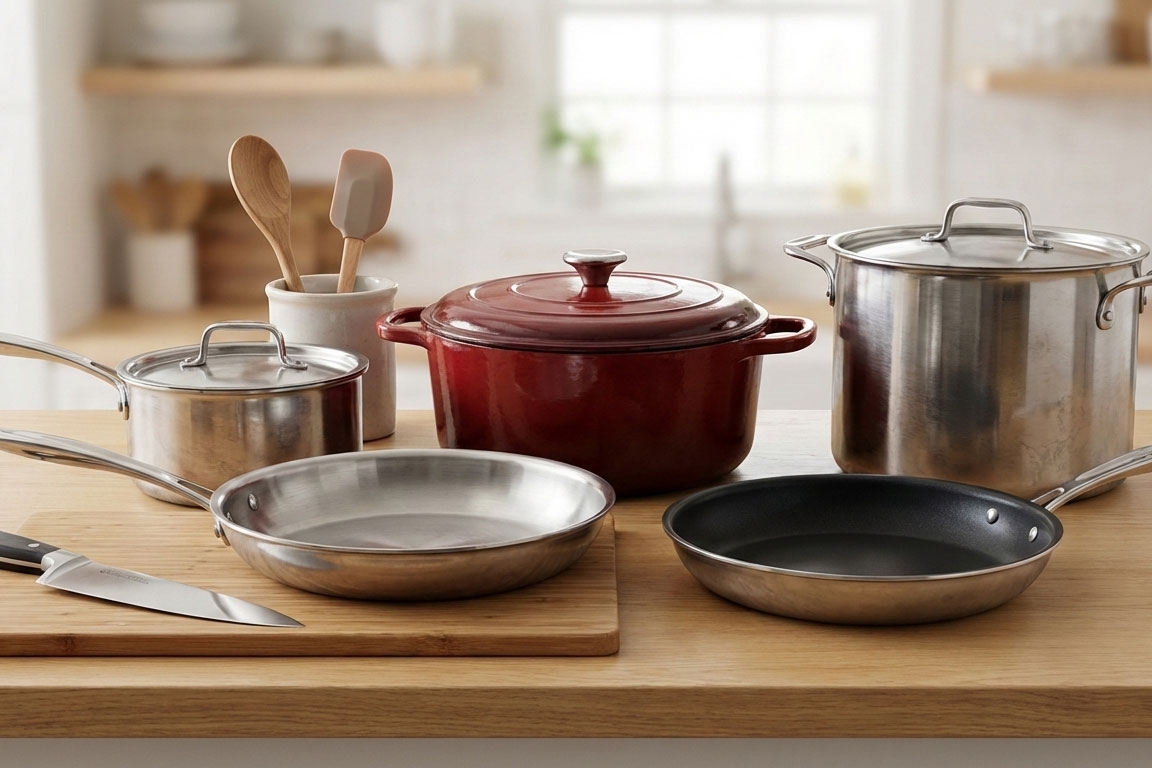
The Chef’s Knife: An 8-inch high-carbon stainless steel knife is the most critical tool. It handles chopping, slicing, and dicing better than any gadget.
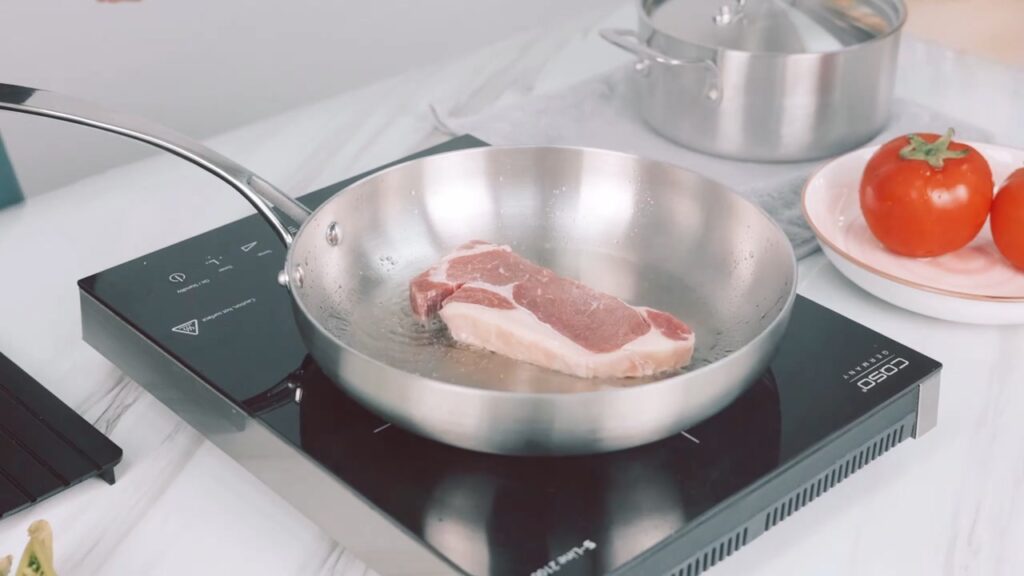
10-to-12-Inch Skillet: Choose Stainless Steel for searing meats or Cast Iron for versatility. This is your go-to pan for dinner.
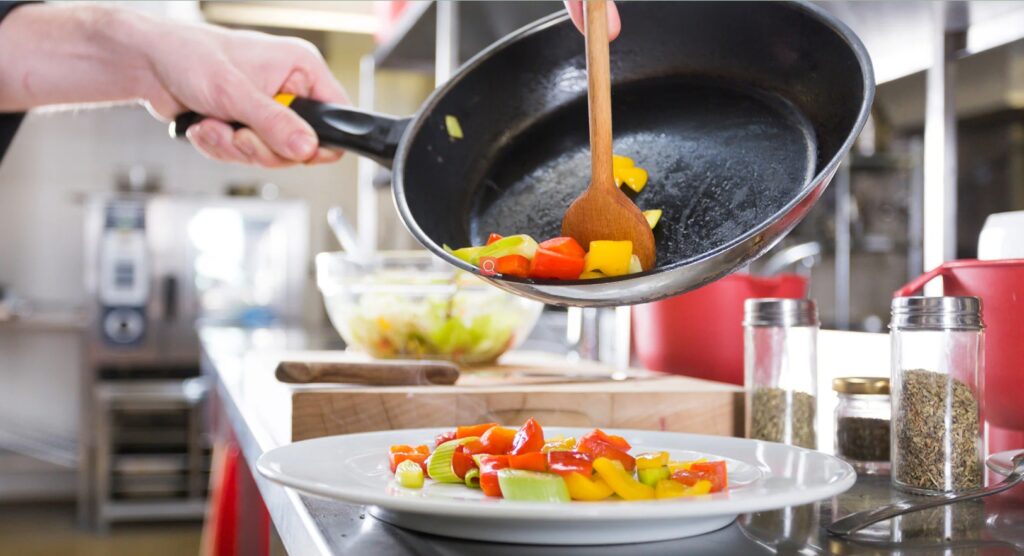
Non-Stick Frying Pan: Essential for delicate foods like eggs, pancakes, and fish. A 10-inch size is usually perfect.
4-Quart Saucepan: Needed for boiling grains, making sauces, or reheating soups.
2. The Heavy Lifters
Once the basics are covered, add these to elevate your cooking:
Enameled Dutch Oven: A 5-to-7-quart Dutch oven is king for braising, baking bread, and making large batches of stew. It retains heat beautifully and moves from stovetop to oven.
Large Stockpot: Essential for boiling pasta water or making homemade stock.
3. Material Strategy: Mix and Match
Don’t feel pressured to have matching pans. Pro chefs mix materials for the best results:
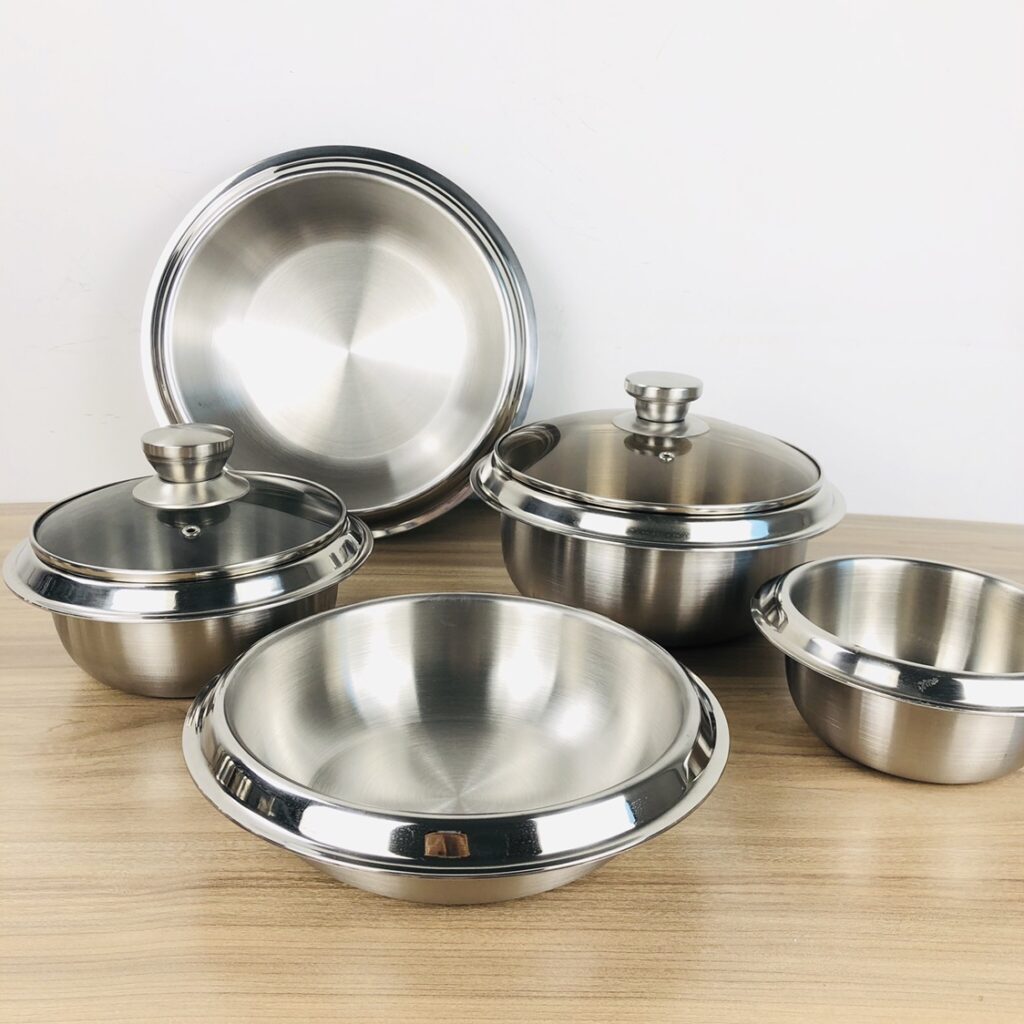
Stainless Steel: Durable and non-reactive (great for acidic sauces).
Cast Iron: Excellent heat retention.
Non-Stick: Best for low-fat cooking and easy cleanup.
4. Essential Utensils
Pair your cookware with tools that won’t damage them. Use silicone spatulas for non-stick surfaces and sturdy wooden spoons for stainless steel and enamel.
Conclusion When choosing a cookware set, prioritize quality over quantity. A curated collection of 5 or 6 premium pieces will serve you better—and last longer—than a budget box of 20.