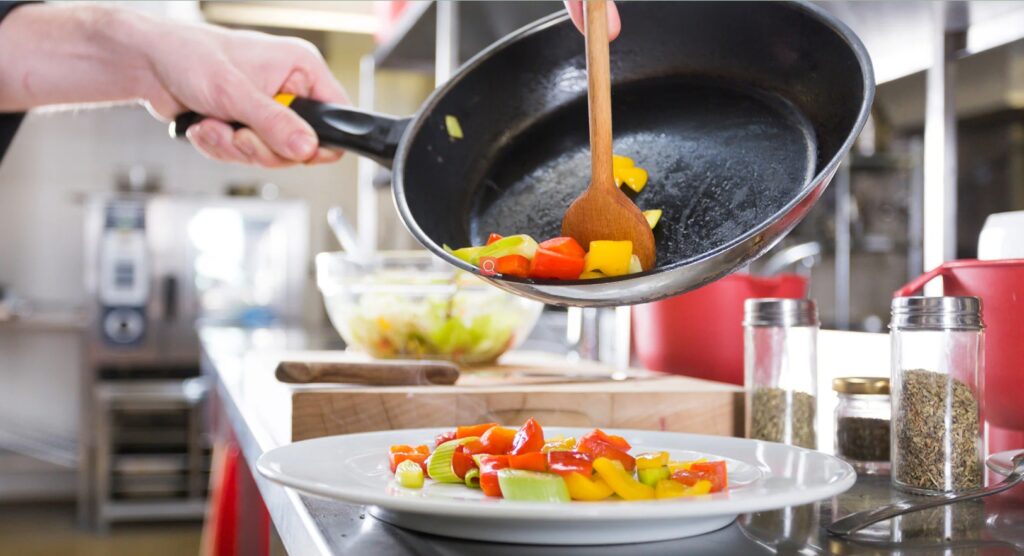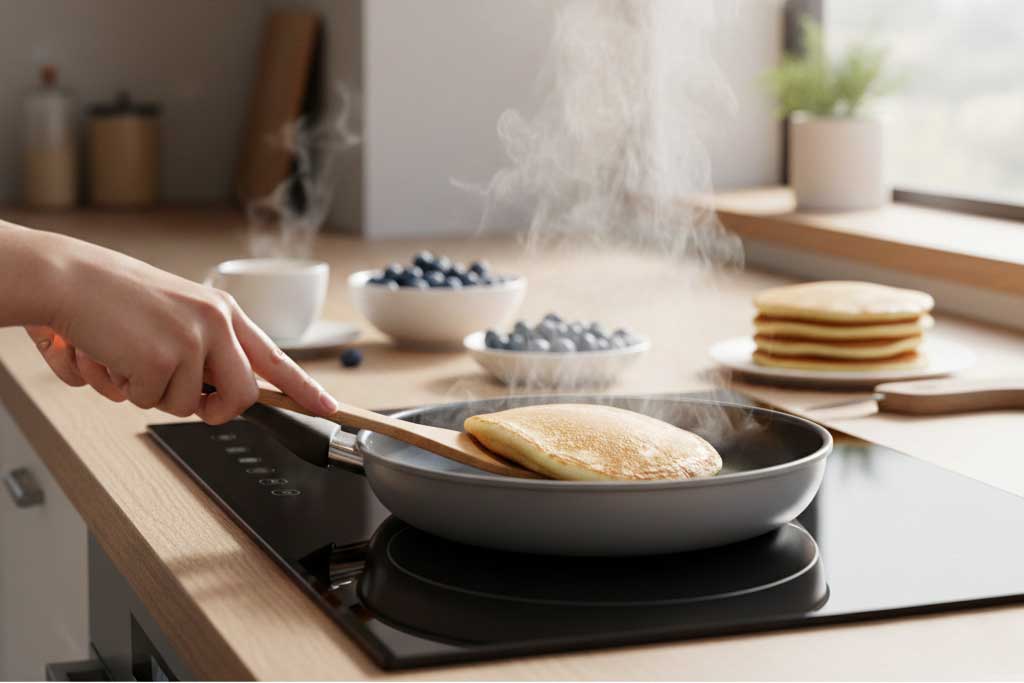
If you’ve ever flipped a pancake effortlessly, you have Teflon (polytetrafluoroethylene or PTFE) to thank. However, rumors about its safety have simmered for years. Is your non-stick cookware actually a health hazard? Let’s separate the myths from the science.
The “Forever Chemicals” Shift
Historically, the main concern wasn’t the Teflon itself, but a chemical used to make it: PFOA. This substance was linked to various health issues. The good news? Since 2013, all Teflon-branded products have been PFOA-free. When you buy a new pan today, that specific risk is off the table.
When Does Teflon Become a Problem?
PTFE is generally stable and inert at normal cooking temperatures. The danger arises only when a pan is overheated.
The 500°F (260°C) Rule: Once a pan exceeds this temperature, the coating begins to degrade.
Teflon Flu: At temperatures above 660°F (350°C), the coating releases polymer fumes that can cause flu-like symptoms in humans and can be fatal to pet birds.
Tips for Safe Non-Stick Cooking
To keep your kitchen safe and your pans lasting longer, follow these simple rules:
Never preheat an empty pan: A dry pan can hit 500°F in minutes.
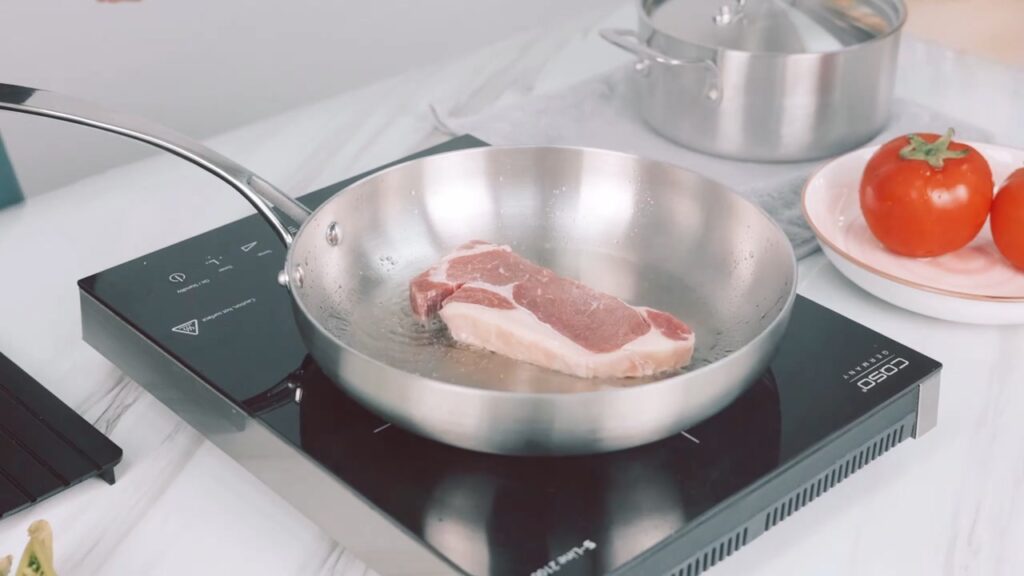
Use medium or low heat: Avoid “searing” steaks on Teflon.
Ventilation is key: Always use an exhaust fan.
Replace damaged pans: If the coating is peeling or deeply scratched, it’s time to let it go.
The Verdict
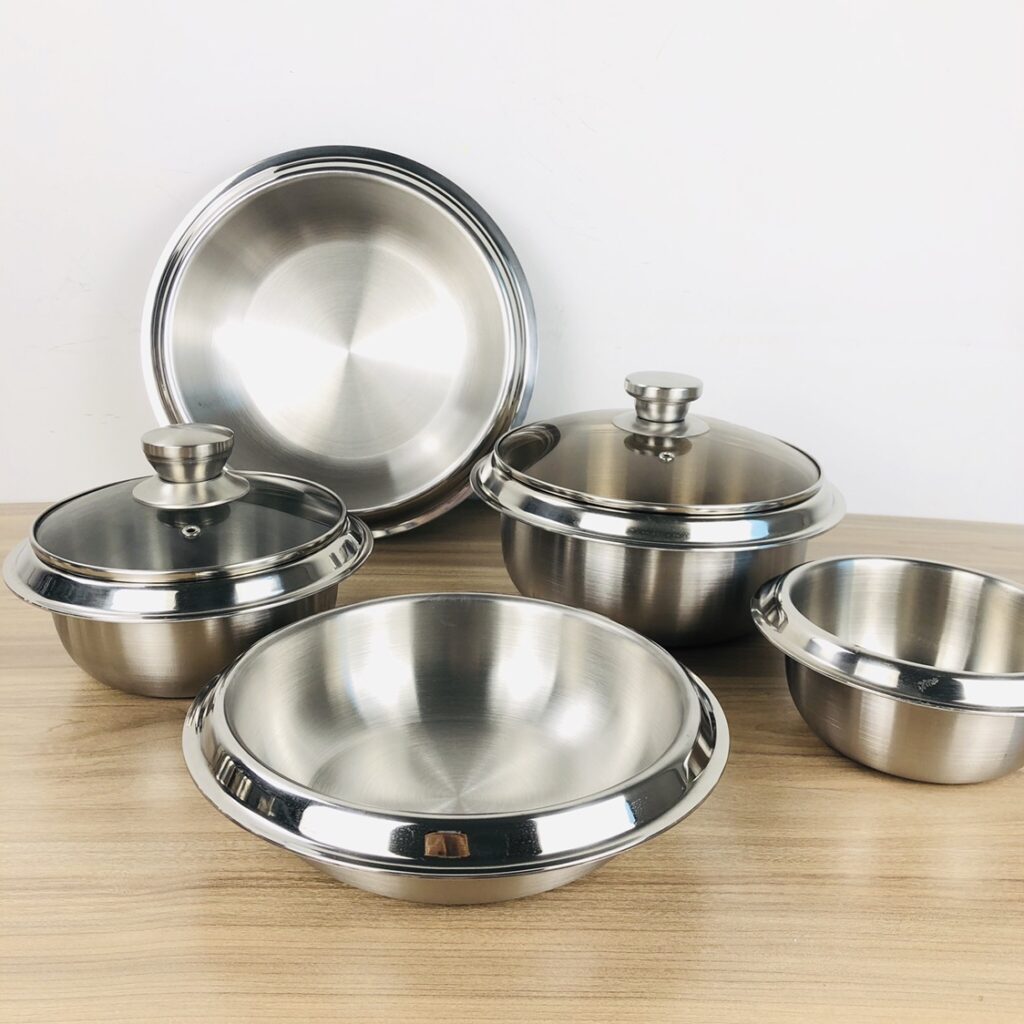
Teflon is safe for everyday use as long as you don’t overheat it. If you are a high-heat cook, consider switching to cast iron or stainless steel. Otherwise, enjoy your easy-clean mornings with peace of mind.