Aluminum cookware is a staple in many households due to its lightweight nature and excellent heat conductivity. However, research suggests that this convenience might come at a cost to our long-term health.

Why Aluminum Can Be Hazardous:
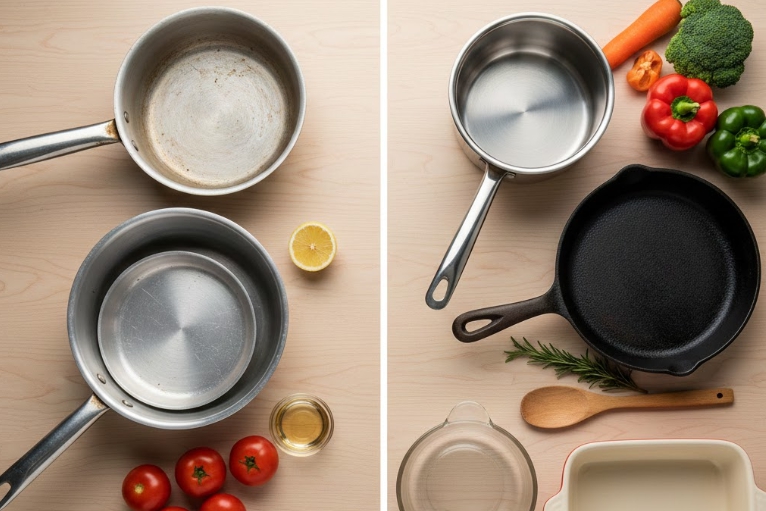
Leaching into Food: Aluminum is a reactive metal. When cooking acidic foods (like tomatoes or citrus) or alkaline ingredients, the metal can leach into your meal.
Neurological Concerns: Excessive aluminum intake has been linked by various studies to neurotoxicity. There is ongoing concern regarding its potential role in increasing the risk of Alzheimer’s disease.
Bioaccumulation: Our bodies have difficulty excreting aluminum efficiently. Over time, it can accumulate in the bones and brain, potentially interfering with mineral absorption and bone health.
Recommended Food-Grade Alternatives: To ensure a safer cooking environment, consider upgrading to these non-reactive materials:
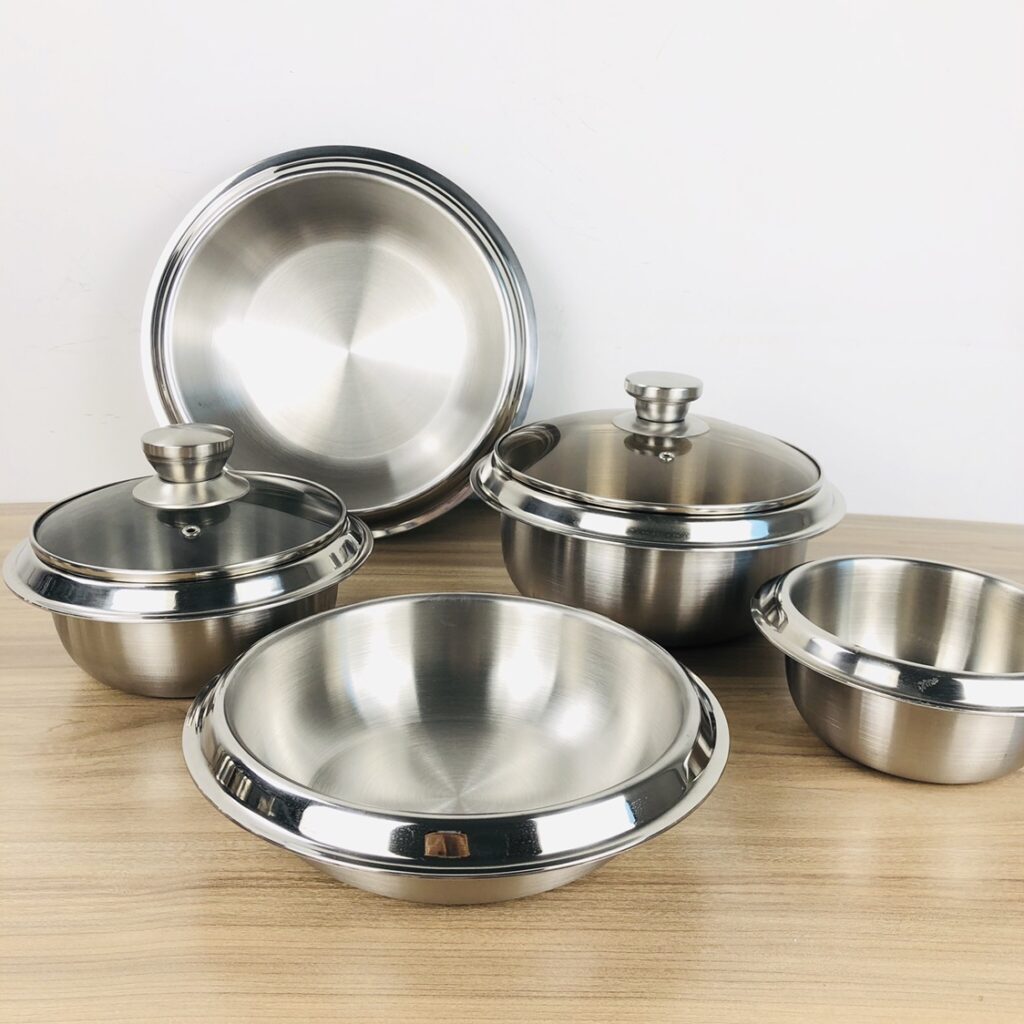
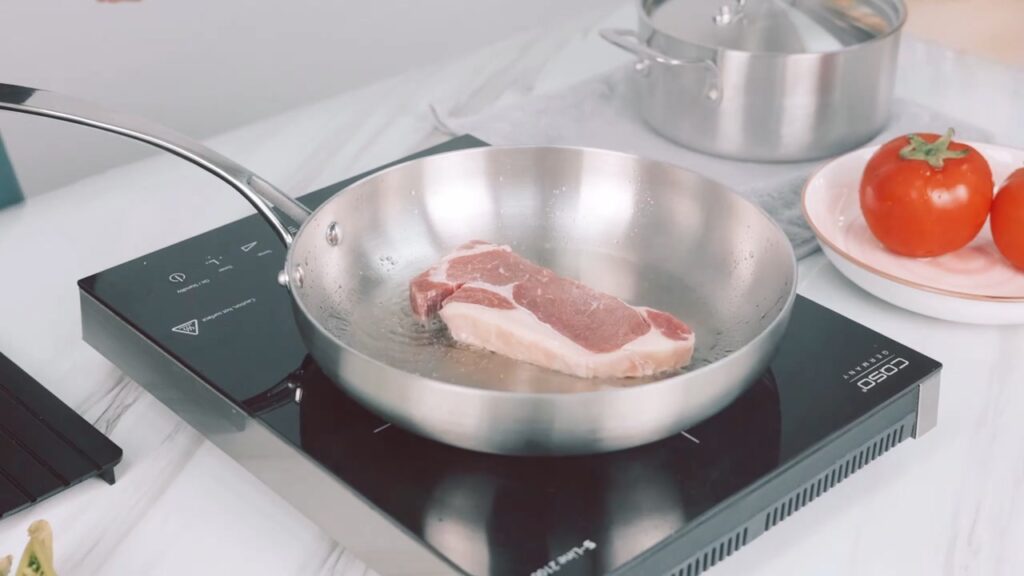
304/316 Stainless Steel: Known for its durability and stability, it does not react with food and is the gold standard for hygiene.
Cast Iron: A timeless choice that provides superior heat retention and can even add a small amount of beneficial iron to your diet.
Glass or Ceramic: These materials are chemically inert and free from toxic non-stick coatings, making them perfect for slow cooking and storage.