
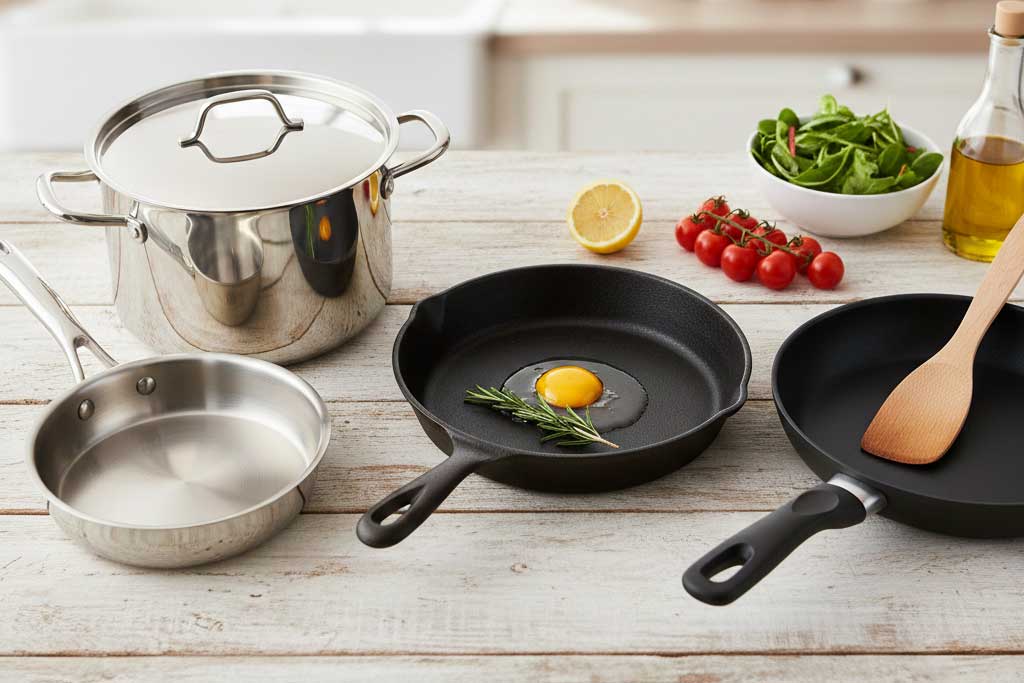
Aluminum cookware is a staple in many kitchens because it is lightweight, affordable, and conducts heat quickly. However, despite its popularity, there are significant downsides to cooking with uncoated aluminum that every home chef should know.
Here is why you might want to switch to safer alternatives.
1. The Risk of Leaching The biggest concern with aluminum cookware is its reactivity. When you cook acidic foods—like tomato sauce, vinegar-based dressings, or citrus—the metal reacts with the acid. This causes aluminum to leach into your food, often leaving a metallic taste. While our bodies can process small amounts of aluminum, cooking highly acidic meals in these pots significantly increases your intake.
2. Potential Health Concerns While the link between aluminum and Alzheimer’s disease is still debated in the scientific community, health experts generally agree that minimizing unnecessary exposure to heavy metals is wise. People with compromised kidney function face higher risks, as their bodies struggle to filter out excess aluminum. Why take the risk when safer options exist?
3. Durability and Warping Aluminum is a soft metal. Unlike stainless steel or cast iron, aluminum pans tend to warp when exposed to rapid temperature changes. Furthermore, they scratch easily. Deep scratches can harbor bacteria and make the pan difficult to clean properly.
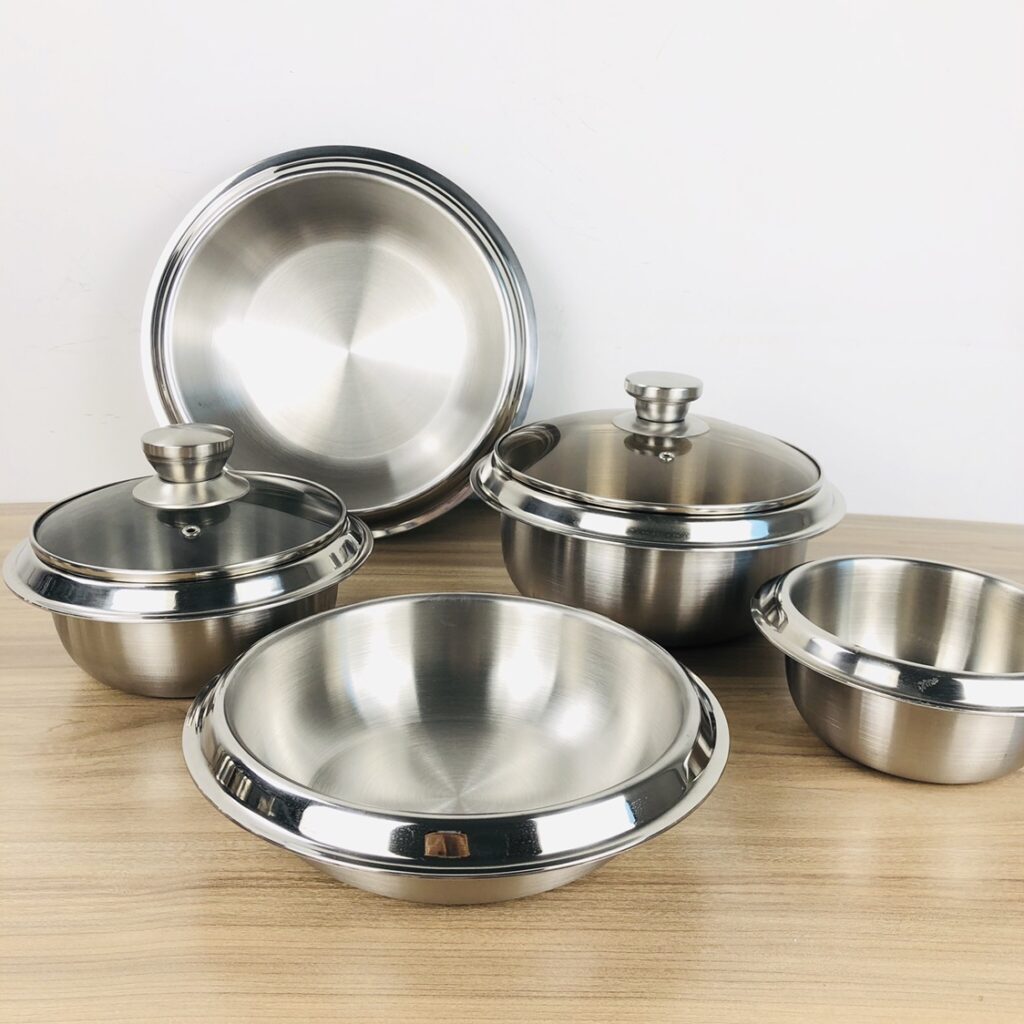
The Verdict If you want to ensure the highest safety and durability, consider switching to anodized aluminum (which is sealed), stainless steel, or cast iron. These options prevent metal leaching and last a lifetime.
nice